Landscape Design Concepts: How a Professional Company Can Enhance Your Property
Skilled landscaping professionals can reshape properties into remarkable outdoor spaces. They grasp the intricacies of planning and implementation, adapting their services to satisfy individual needs. From choosing appropriate vegetation to incorporating hardscape features, their knowledge ensures a harmonious and practical outdoor space. The advantages reach further than visual appeal. Exploring how these professionals enhance both residential and commercial properties reveals essential insights for property owners.
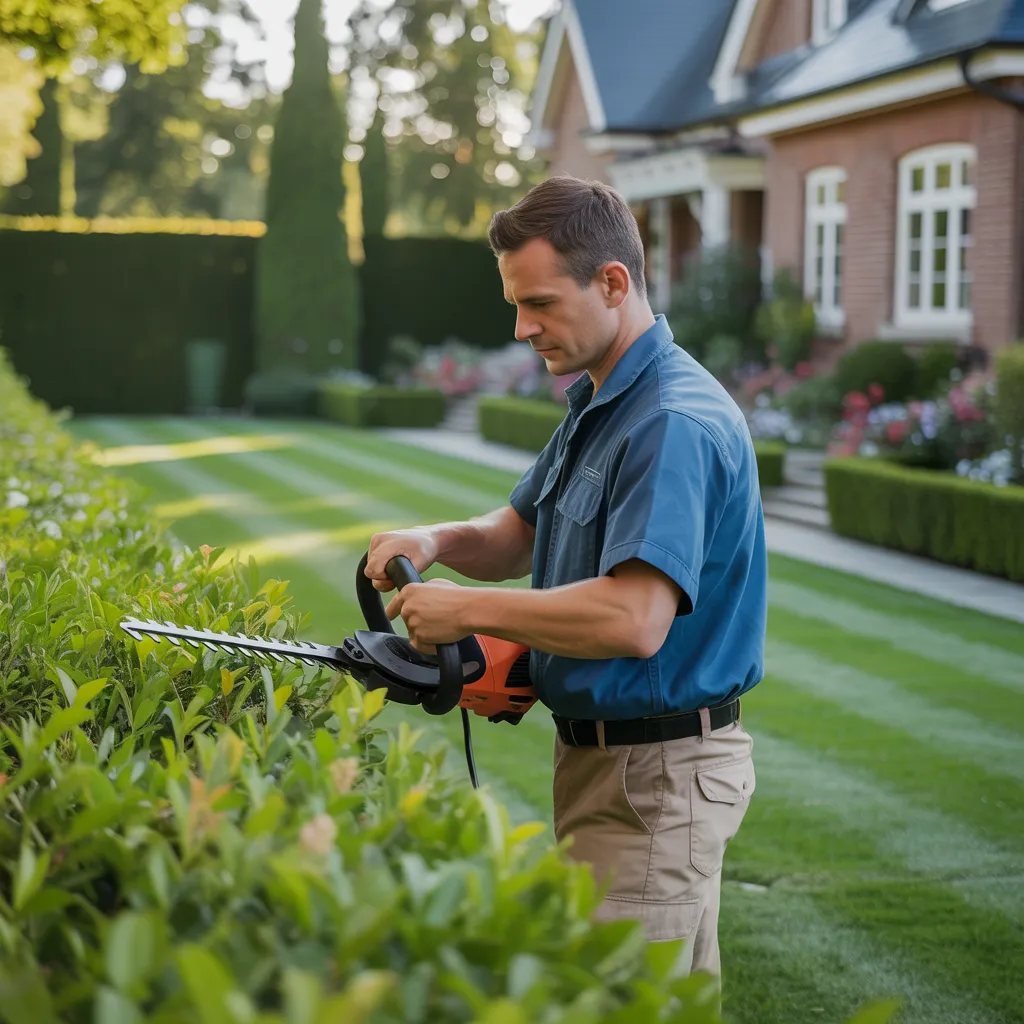
Innovative Landscaping Concepts for Both Residential and Commercial Spaces
How does one transform both residential and commercial areas into lively landscapes that showcase personal style and improve curb appeal? Innovative landscaping concepts abound, providing a wealth of options. For residential estates, including unique hardscapes, such as stone paths or decorative retaining walls, can offer structure and visual appeal. Including water features like fountains or ponds introduces a serene element, while strategically placed outdoor lighting elevates ambiance and safety.
In commercial spaces, employing bold color schemes through decorative plantings and grasses can attract interest and create an inviting atmosphere. Living walls or vertical gardens not only optimize space but also support sustainability. Furthermore, the use of seasonal decorations empowers businesses to modify their landscapes throughout the year, keeping the environment fresh and engaging. By integrating these various elements, both residential and commercial spaces can achieve a dynamic appearance that highlights personal identity while boosting overall curb appeal.
Selecting the Most Appropriate Plants for Your Landscaping Design
Choosing the right plants for landscaping design is vital, as they not only enhance visual appeal but also influence the overall health of the ecosystem. A professional landscaping company can guide property owners in selecting plants that thrive in their specific climate and soil conditions. It is essential to consider aspects such as sunlight, water availability, and the local wildlife when picking plants.
Native plants are often recommended, as they need less maintenance and offer habitat for local animal species. Furthermore, including a blend of perennials, annuals, and shrubs can produce continuous interest and structure in the landscape. Color, texture, and seasonal transitions should also be evaluated to guarantee a dynamic and engaging design.
Finally, a well-planned selection of plants can significantly enhance the property's beauty while fostering sustainability and biodiversity in the nearby environment.
Incorporating Hardscaping Elements Throughout Your Yard
Adding hardscaping elements into a landscape design accentuates the natural beauty created by plants. Hardscaping refers to the non-plant features of a landscape, such as patios, walkways, retaining walls, and decorative stones. These structures add framework and functionality to outdoor spaces while elevating visual appeal.
For copyrightple, a strategically positioned stone pathway can guide visitors through a garden, creating a sense of exploration. Retaining walls can efficiently manage slopes, preventing erosion while adding visual interest to the landscape. Moreover, incorporating features like decorative boulders or gravel beds can break up large areas of greenery, providing visual contrast and texture.
Furthermore, selecting materials that harmonize with the existing environment is essential. Brick or natural stone, for instance, can create a smooth transition between hardscape and softscape. In the end, hardscaping enriches the overall landscape, providing both decorative value and practical benefits for property owners.
Build Welcoming Outdoor Living Spaces: Patios, Decks, and More
Establishing inviting outdoor living spaces can substantially boost the experience of a home. Amenities such as outdoor kitchens and dining areas, combined with cozy fire pits, present options for relaxing gatherings and memorable meals. These elements not only boost functionality but also improve the aesthetic appeal of any outdoor space.
Outdoor Kitchens and Dining
Exterior cooking spaces and eating zones transform yards into appealing spaces where loved ones gather to share meals and build lasting memories. These versatile installations often include grills, work surfaces, and plenty of seating, cultivating an atmosphere that promotes outdoor entertaining. Professional landscaping firms can develop custom outdoor kitchens that effortlessly integrate with established landscapes, maintaining visual appeal. Adding components like weatherproof materials and installed appliances improves usability, allowing homeowners to prepare meals and dine al fresco with ease. Furthermore, carefully designed lighting can create a cozy ambiance for after-dark gatherings. By installing an outdoor kitchen and dining area, residents not only enhance their property's value but also extend their entertainment space, making it perfect for hosting memorable events.
Cozy Fire Pits
An appealing outdoor living space frequently incorporates a cozy fire pit, serving as a focal point for gatherings under the stars. Fire pits deliver warmth and ambiance, motivating friends and family to spend more time outdoors. They can be designed in various styles, from traditional stone to modern metal, enabling homeowners to customize their appearance to match existing landscaping. A strategically positioned fire pit improves the functionality of patios and decks, creating an ideal setting for evening relaxation or lively conversations. Surrounding the fire pit with comfortable seating, such as outdoor chairs or benches, can even more elevate the cozy atmosphere. Professional landscaping companies can assist in selecting the right materials and design, guaranteeing a seamless integration into the overall outdoor space.
Why Hiring a Professional for Your Landscaping Needs Makes Sense
Why choose professional landscaping services? Hiring a professional landscaping company offers expertise that can substantially boost the beauty and value of a property. Professionals have in-depth knowledge of plant species, soil conditions, and local climates, allowing them to create designs that thrive in specific environments. They can also provide customized solutions that address the unique needs of each property, ensuring superior results.
Furthermore, professional landscapers utilize advanced tools and techniques that are often not accessible to the typical homeowner. This access to specialized equipment can result in more efficient and better-quality work. Additionally, hiring a specialist saves time and effort, allowing homeowners to focus on other priorities. Ultimately, investing in professional landscaping services not only elevates the aesthetic appeal of a property but also aids in its long-term health and sustainability, making it a smart choice for any homeowner looking to upgrade their outdoor space.
Green Landscaping Methods for Your Property
Environmentally responsible landscape design is vital for building an green outdoor space. By integrating local plant varieties, water-saving watering methods, and natural soil management, property owners can improve biodiversity and reduce resource consumption. These strategies not only support ecological health but also facilitate the long-term sustainability of the landscape.
Selecting Native Plants
Choosing native plants for landscaping not only enhances the aesthetic appeal of a property but also supports local biodiversity and sustainability. These plants are perfectly suited to the local climate, demanding less maintenance and fewer resources than non-native species. By selecting native flora, property owners support local wildlife, including pollinators such as bees and butterflies, which are crucial for a healthy ecosystem. In addition, native plants help prevent soil erosion and enhance water absorption, contributing to overall environmental health. A professional landscaping company can help homeowners in identifying the right native species that complement their design preferences while ensuring ecological balance. Ultimately, incorporating native plants creates a connection to the local environment, enriching both the landscape and the community.
Efficient Water Management Systems
Implementing effective irrigation systems into a landscaping plan complements the use of native plants by guaranteeing they receive the ideal amount of water without excessive waste. These systems, such as drip irrigation and smart controllers, deliver water directly to plant roots, decreasing evaporation and runoff. By utilizing rainwater harvesting and greywater recycling, property owners can further improve water sustainability, ensuring that resources are used wisely. Furthermore, efficient irrigation aids in maintain soil health and reduces the need for chemical fertilizers, promoting a more environmentally friendly landscape. Professional landscaping companies can design and install personalized irrigation solutions tailored to specific plant needs and local climate conditions, ultimately resulting in flourishing, sustainable outdoor spaces that flourish with minimal water consumption.
Natural Soil Practices
Though countless homeowners aim to elevate their landscape design, embracing organic soil practices is vital for fostering a healthy ecosystem. These practices prioritize the use of natural amendments, such as compost, to improve soil fertility and structure. By eliminating synthetic fertilizers and pesticides, homeowners can mitigate harmful effects on groundwater and native species. Furthermore, incorporating organic mulches boosts moisture retention and limits weed growth, enhancing soil health over time. Practices like crop rotation and cover cropping also promote nutrient cycling and inhibit soil erosion. Professional landscaping companies can offer guidance on implementing these techniques, ensuring properties not only thrive aesthetically but also support sustainable environmental practices. Finally, organic soil practices create a resilient landscape that benefits both homeowners and the neighboring ecosystem.
Financial Planning Advice for Your Landscaping Project: What to Keep in Mind
When beginning a landscaping project, prudent budgeting is crucial to verify that the vision matches financial reality. Initially, individuals should establish their overall budget, accounting for both hard and soft costs. Hard costs consist of materials, plants, and labor, while soft costs encompass design fees and permits.
Following this, it is prudent to prioritize essential features, such as irrigation systems and permanent landscaping features, over ornamental elements like decorative greenery. Investigating local prices for products and services can offer a realistic view of projected expenses.
Moreover, adding a contingency fund—commonly 10-20% of the total budget—provides for unforeseen expenses that may arise during the project. Furthermore, evaluating seasonal discounts or off-peak hiring can generate significant savings. By implementing these recommendations, homeowners can develop a sustainable budget that supports their landscaping aspirations without jeopardizing financial stability.
Questions & Answers
What Timeframe Should I Expect for a Typical Landscaping Project?
A typical landscaping project can take anywhere learn the details from a couple of days to multiple weeks, depending on the scale and intricacy of the work. Elements like weather and availability of materials also impact the timeline.
What Permits Do You Need for Landscaping Work?
Permits required for landscaping projects often include zoning permits, building permits, or environmental permits, according to local regulations. Property owners are advised to consult their local municipality to confirm compliance with particular regulations before beginning any work.
Is It Possible to Maintain My Landscaping Following Professional Installation?
After experts complete the installation, maintaining the landscaping is achievable. Consistent irrigation, pruning, and weeding constitute fundamental duties. Residents should additionally factor in seasonal shifts and particular plant demands to maintain a thriving and attractive landscape.
What Warranty Coverage Is Provided for Landscaping Services and Plants?
Warranty coverage for landscaping services and plants generally differs between companies. As a rule, warranties span from one year for plants to several years for installation projects, addressing plant health and workmanship under particular conditions.
How Will Seasonal Shifts Influence My Landscaping Options?
Changes in seasons considerably affect landscaping decisions, governing plant selection, maintenance schedules, and design aesthetics. Spring prompts vibrant blooms, while autumn promotes foliage transformation, necessitating adjustments for ideal visual appeal and plant health throughout the year.